How to Remove Microplastics from Your Body Naturally?
We know the news about microplastics is scary. The combination of plastic particles in our blood, brain, lungs, and even in unborn babies is enough to make anyone worried. A new study from the University of New Mexico found that microplastics in human brains have increased by 50% in just 8 years. And the Netflix documentary ‘The Plastic Detox’ has shown the world just how deep this problem goes.
But here is the good news — your body already has natural detoxification systems. And there are simple foods, kitchen swaps, and home remedies that can help your body flush out these tiny plastic particles faster. So keep reading to know about natural ways to remove microplastics from your body.
What are Microplastics and How Do They Enter Your Body?
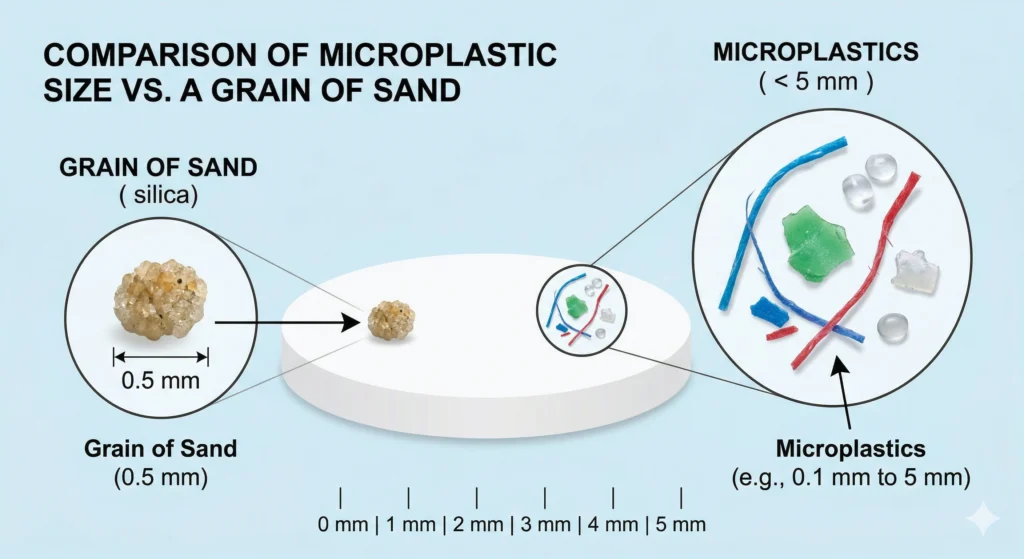
Microplastics are tiny plastic particles smaller than 5 millimeters. They come from the breakdown of plastic bottles, food packaging, synthetic clothing, and even cosmetics. Scientists estimate that the average person ingests about 5 grams of microplastics every week — that is roughly the weight of one credit card.
They enter your body through three main routes:
- Eating and Drinking: Bottled water contains up to 100 times more microplastics than tap water. Plastic food containers, especially when heated in the microwave, release microplastics into your food.
- Breathing: Indoor dust contains microplastic fibers from synthetic clothing, carpets, and furniture. Every breath you take may contain tiny plastic particles.
- Skin Contact: Cosmetics, body washes, and toothpastes with microbeads can introduce microplastics through your skin.
What Do Microplastics Do to Your Health?
Research is still ongoing, but studies have linked microplastic exposure to several health problems:
- Inflammation: Microplastics can trigger inflammatory responses in organs and tissues.
- Hormone Disruption: Chemicals in plastics like BPA and phthalates can mimic estrogen and disrupt your hormonal balance.
- Heart Disease: A 2024 study published in the New England Journal of Medicine found that people with microplastics in their arterial plaque had a higher risk of heart attack and stroke.
- Gut Health Problems: Microplastics can damage the gut lining and disturb the balance of gut bacteria.
- Brain Health: The latest research from UNM (March 2026) found microplastics accumulating in brain tissue, with concentrations higher than in any other organ.
- Fertility Issues: Microplastics have been found in human reproductive organs and may be linked to declining fertility rates.
12 Natural Home Remedies and Foods to Remove Microplastics from Your Body
1. Fiber-Rich Foods (Your Body’s Natural Broom)
Dietary fiber is one of the most effective natural ways to help your body eliminate microplastics. Fiber promotes bile secretion which can bind to microplastic particles and remove them through stool. High-fiber foods act like a broom sweeping through your digestive tract.
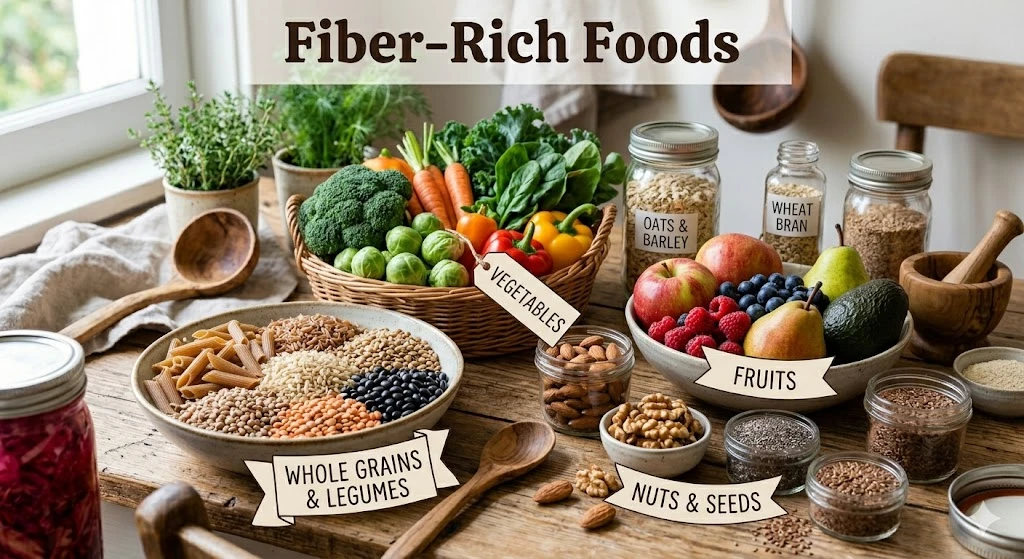
Foods to eat:
- Oats, brown rice, and whole wheat
- Beans, lentils, and chickpeas (rajma, chana, dal)
- Fruits like apples, bananas, and berries
- Vegetables like broccoli, carrots, and sweet potatoes
- Flaxseeds and chia seeds
How much: Aim for 25–35 grams of fiber daily. Most people only get 10–15 grams.
2. Turmeric (Haldi)
Turmeric contains curcumin which is a powerful antioxidant and anti-inflammatory compound. Research shows that antioxidants can help protect cells from the oxidative damage caused by microplastics. Curcumin also supports liver detoxification which is your body’s main organ for processing and removing toxins.
Recipe:
- Add 1 teaspoon of turmeric to warm milk with a pinch of black pepper.
- The black pepper increases curcumin absorption by up to 2000%.
- Drink this haldi doodh daily to support your body’s detox pathways.
Also Read : Haldi Doodh (Turmeric Milk) for Joint Pain: How to Make It, Why It Works
3. Yogurt and Fermented Foods (Probiotics)
The health of your gut microbiome plays a huge part in your body’s ability to break down and eliminate microplastics. Probiotics — the beneficial bacteria in your gut — can help maintain a strong intestinal lining that acts as a barrier against microplastic absorption. Some research suggests that certain gut bacteria may even help degrade plastic particles.
Foods to eat:
- Homemade yogurt (dahi) — the best source of natural probiotics
- Buttermilk (chaas)
- Kimchi and sauerkraut
- Kefir
- Idli and dosa batter (naturally fermented)
4. Cruciferous Vegetables (Liver Detox Support)
Your liver is the primary organ responsible for filtering toxins from your blood including microplastics. Cruciferous vegetables contain a compound called sulforaphane which activates the liver’s detoxification enzymes and helps process harmful substances more efficiently.
Foods to eat:
- Broccoli
- Cauliflower (gobi)
- Cabbage (patta gobi)
- Brussels sprouts
- Kale
Best way to eat: Lightly steamed or stir-fried. Overcooking destroys sulforaphane.
5. Chlorella (Green Algae Supplement)
Chlorella is a type of green algae that has been studied for its ability to bind with microplastic particles in the gut. Scientific analysis has shown that chlorella can absorb micro and nanoplastic particles and help remove them through stool. It has also been used to detox heavy metals from the body.
Way to use:
- Take chlorella as a powder (add to smoothies) or in tablet form.
- Best taken on an empty stomach for detox purposes.
- Start with a small dose (1–2 grams) and increase gradually.
6. Activated Charcoal (Occasional Use)
Activated charcoal has a highly porous surface that can trap and bind toxins including microplastic particles in the digestive tract. Research has shown it is effective at adsorbing polystyrene nanoplastics from water and it may work similarly in the gut.
Way to use:
- Take 500mg–1000mg activated charcoal capsule with a full glass of water.
- Take it between meals — NOT with food or medication.
- Use only 1–2 times per week as a periodic detox. NOT daily.
Note: Daily use can interfere with nutrient absorption. Use activated charcoal as a short-term detox tool only.
7. Green Tea
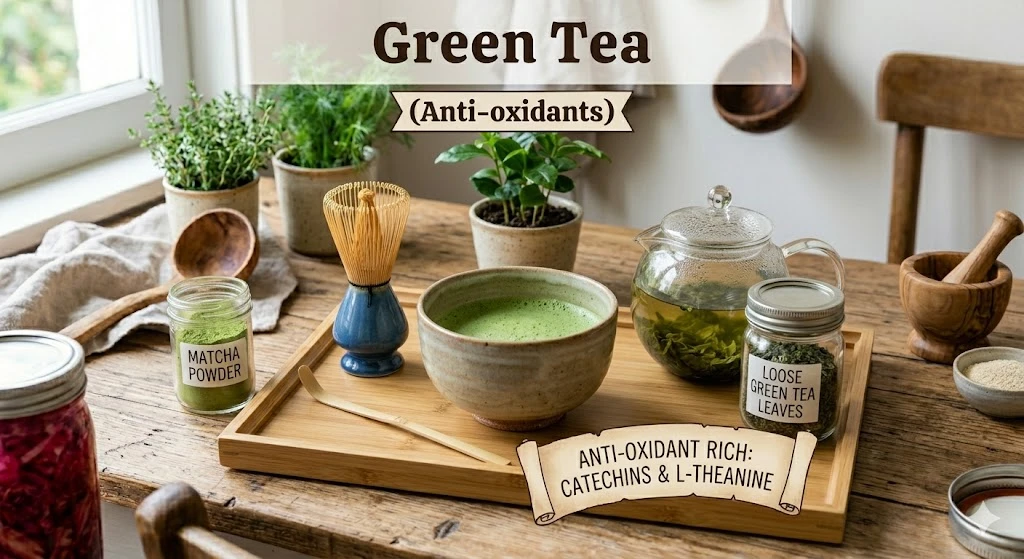
Green tea is rich in catechins which are powerful antioxidants. These compounds help protect cells from the oxidative stress caused by microplastics. Green tea also supports liver function and helps the body eliminate toxins more efficiently. Research suggests green tea extract can help alleviate some of the toxic effects of BPA and other plastic chemicals.
Way to use:
- Brew loose-leaf green tea (avoid plastic tea bags which themselves release microplastics).
- Drink 2–3 cups daily.
- Add lemon for extra vitamin C which enhances antioxidant absorption.
8. Garlic
Garlic contains allicin and organosulfur compounds that support the liver’s Phase II detoxification process. This is the pathway your body uses to neutralize and eliminate fat-soluble toxins including chemicals that leach from microplastics like BPA and phthalates.
Way to use:
- Eat 2–3 cloves of raw garlic daily (crush and let sit for 10 minutes before eating to activate allicin).
- Add garlic to your cooking liberally.
- For those who cannot eat raw garlic, garlic supplements are available.
Also Read : 22 Home Remedies for Blocked Nose | Sore Throat | Stuffy Nose
9. Ginger
Ginger has anti-inflammatory and antioxidant properties that help protect the body from the inflammatory effects of microplastic exposure. It also supports healthy digestion which is important for eliminating particles through stool.
Recipe:
- Grate 1 inch of fresh ginger into hot water.
- Let it steep for 5–10 minutes.
- Add honey and drink 2–3 times daily.
- You can also add ginger to your kadha (Ayurvedic herbal drink).
Also Read : Kadha Recipe for Cold and Cough: 5 Ayurvedic Immunity Drinks
10. Filtered Water (Stop New Microplastics from Entering)
Studies have found that bottled water contains up to 100 times more microplastics than tap water. Heating or boiling water in plastic containers makes it even worse. Switching to properly filtered water is one of the most impactful changes you can make.
What to do:
- Install a reverse osmosis (RO) water filter at home — these remove most microplastics.
- Never drink water from plastic bottles that have been sitting in the sun or a hot car.
- Use stainless steel or glass water bottles instead of plastic.
- If boiling water, use a steel or glass pot, never plastic kettle.
11. Cilantro (Dhaniya)
Cilantro has been studied for its ability to bind heavy metals in the body and may help with microplastic-associated chemicals as well. It contains compounds that support the body’s natural chelation process — the process of binding to and removing toxins from the bloodstream.
Way to use:
- Add fresh cilantro to salads, chutneys, and rice.
- Make cilantro water: blend a handful of fresh cilantro in 2 cups of water, strain and drink.
- Use cilantro in your daily cooking as a garnish.
12. Regular Exercise and Sweating
Physical activity boosts your lymphatic system which is responsible for moving toxins out of your tissues. Sweating through exercise or sauna use may also help eliminate some toxins through the skin. While research on sweating out microplastics specifically is still limited, the overall detoxification benefits of regular exercise are well established.
What to do:
- Aim for 30–45 minutes of moderate exercise daily (walking, yoga, cycling).
- Sweating through exercise or a hot bath helps activate detox pathways.
- Stay hydrated with filtered water after exercise.
What Should You Avoid to Reduce Microplastic Exposure?
| Stop Doing This | Do This Instead |
| Microwaving food in plastic containers | Use glass or ceramic containers for heating food |
| Drinking from plastic water bottles | Switch to stainless steel or glass bottles |
| Using plastic cutting boards | Switch to wooden or bamboo cutting boards |
| Wrapping food in cling film / plastic wrap | Use beeswax wraps or reusable silicone lids |
| Using plastic tea bags | Switch to loose-leaf tea with a steel strainer |
| Buying food in plastic packaging | Choose fresh, unpackaged foods when possible |
| Wearing only synthetic clothing (polyester) | Choose natural fibers: cotton, wool, linen |
| Using cosmetics with microbeads | Check labels and choose microbead-free products |
| Storing hot food in plastic Tupperware | Store in glass containers (Pyrex, Mason jars) |
| Using non-stick pans with PFAS coating | Switch to cast iron or stainless steel cookware |
Frequently Asked Questions
Can you fully remove all microplastics from your body?
Honestly, no. It is impossible to remove 100% of microplastics from your body because we are constantly exposed to them through air, water, and food. However, you can significantly reduce your exposure and help your body eliminate more of them through diet, lifestyle changes, and the natural remedies listed above.
How long does it take to detox microplastics?
There is no fixed timeline because microplastic detox is an ongoing process. However, by making the dietary and lifestyle changes in this article, you can start reducing your body’s plastic burden within weeks. The key is consistency — these are lifelong habits, not a one-time cleanse.
Is boiling water in plastic safe?
No. Heating water in plastic containers or kettles can increase microplastic release by up to 100 times. Always boil water in stainless steel, glass, or ceramic vessels. This simple switch can dramatically reduce your daily microplastic intake.
Do water filters remove microplastics?
Reverse osmosis (RO) filters and certain carbon block filters can remove most microplastics from drinking water. Basic activated carbon filters (like Brita pitchers) remove some but not all microplastics. For best protection, an RO system is recommended.
Are microplastics more dangerous for children?
Yes. Children are more vulnerable because their bodies are still developing, their organs are smaller, and they tend to put plastic objects in their mouths. Studies have found microplastics in baby bottles when heated and in baby formula. Switching to glass bottles and avoiding heating formula in plastic can help protect children.
What did the Netflix Plastic Detox documentary find?
The Netflix documentary ‘The Plastic Detox’ followed couples struggling with infertility and showed that by reducing microplastic exposure for 90 days, their hormone levels and fertility indicators improved. The film highlights the link between everyday plastic exposure and hormonal disruption, particularly relating to fertility and reproductive health.
Other ways to reduce Microplastic exposure include:
- Vacuum and dust your home regularly — household dust is a major source of airborne microplastics.
- Use an air purifier with a HEPA filter in your bedroom.
- Wash synthetic clothing less frequently and in cold water to reduce fiber shedding.
- Consider using a microplastic-catching laundry bag (like Guppyfriend) when washing synthetic clothes.
- Avoid chewing gum — most gums are made with a plastic base.
- Choose wooden toys for children instead of plastic toys.
- Eat more whole, unprocessed foods and less packaged food.
- Support your liver with daily turmeric, garlic, and green tea.
Don’t be cheap to Share with your friends and family.
Tags: microplastics, detox, plastic detox, home remedies, natural remedies, health, healthy tips, gut health, turmeric, probiotics, fiber, liver detoxDisclaimer: This article is for informational purposes only and does not constitute medical advice. While the foods and remedies mentioned can support your body’s natural detoxification processes, no method can guarantee complete removal of microplastics. Consult your healthcare provider before starting any new supplement regimen