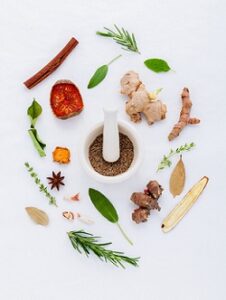
Long before “golden milk” became a $5 latte at trendy cafés, Indian families had a simpler name for it: haldi doodh — literally “turmeric milk.” It’s the drink your grandmother handed you when you scraped your knee, when you couldn’t sleep, or when your joints ached on a cold morning.
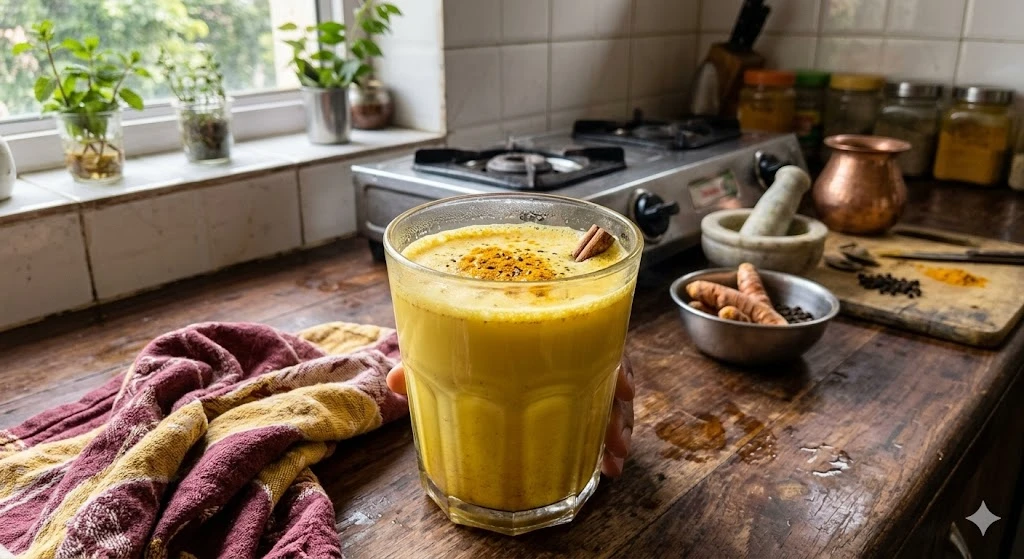
Now, Western science has caught up with what Ayurveda has known for over 4,000 years: the curcumin in turmeric is one of nature’s most powerful anti-inflammatory compounds. And when combined with warm milk, black pepper, and a touch of fat, it becomes a highly bioavailable remedy for joint pain, stiffness, and chronic inflammation.
In this guide, you’ll learn exactly how haldi doodh helps with joint pain, how to make it properly for maximum benefit, and what the clinical research actually says.
‘I grew up drinking haldi doodh every night before bed. My grandmother had arthritis in both knees and swore by it — she was walking without a cane well into her 80s. I didn’t understand why until I started reading the research on curcumin.’
Why Does Haldi Doodh Help with Joint Pain? The Science
The key active compound in turmeric is curcumin, which makes up about 3–5% of turmeric powder by weight. Curcumin has been the subject of over 12,000 published research papers, making it one of the most studied natural compounds in the world. Here’s what it does for joint pain specifically:
1. Blocks Inflammatory Pathways (NF-κB Inhibition)
Joint pain — whether from arthritis, overuse, or aging — is fundamentally driven by inflammation. Curcumin works by blocking NF-κB, a protein complex that controls the production of inflammatory molecules called cytokines. A landmark review published in the Journal of Medicinal Food found that curcumin suppresses multiple inflammatory pathways simultaneously, making it comparable in effectiveness to some anti-inflammatory drugs, but without the gastrointestinal side effects.
2. Reduces Oxidative Stress in Joints
Damaged joints produce large amounts of free radicals, which cause further tissue destruction in a vicious cycle. Curcumin is a potent antioxidant that neutralizes these free radicals directly and also stimulates the body’s own antioxidant enzymes. This dual action helps protect cartilage and joint tissue from ongoing damage.
3. Inhibits Cartilage Breakdown Enzymes
Research in Arthritis Research & Therapy showed that curcumin inhibits the activity of matrix metalloproteinases (MMPs) — enzymes that break down the cartilage cushioning your joints. By slowing cartilage degradation, curcumin may help preserve joint function over time, particularly important for people with osteoarthritis.
4. Comparable to Ibuprofen for Knee Pain
Perhaps the most compelling evidence: a 2014 study published in Clinical Interventions in Aging compared curcumin to ibuprofen in 367 patients with knee osteoarthritis. After 4 weeks, both groups reported similar improvements in pain and physical function — but the curcumin group had significantly fewer gastrointestinal side effects. This is why many doctors now consider curcumin a viable alternative for people who can’t tolerate NSAIDs.
The Critical Absorption Problem (and How Milk Solves It)
Here’s what most people get wrong about turmeric: curcumin on its own is very poorly absorbed. Your body eliminates most of it before it can reach your bloodstream and joints. Studies show that plain curcumin has less than 1% bioavailability.
This is exactly why the traditional haldi doodh recipe is so cleverly designed. Each ingredient serves a specific purpose in boosting absorption:
| Ingredient | What It Does for Absorption | How Much It Helps |
| Black pepper (piperine) | Inhibits liver enzymes that break down curcumin, keeping it in your bloodstream longer | Increases absorption by up to 2,000% (20x). This is the single most important addition. |
| Warm milk (fat content) | Curcumin is fat-soluble. The fat in milk acts as a carrier, helping it cross the intestinal wall | Whole milk or milk with added coconut oil/ghee significantly improves absorption over water |
| Heat (warm milk) | Gentle heat increases the solubility of curcumin in the liquid | Warm turmeric milk delivers more curcumin than cold preparations |
| Ghee or coconut oil | Additional fat source that further enhances curcumin’s fat-soluble absorption | Even ½ teaspoon makes a meaningful difference |
This is why haldi doodh works better than just sprinkling turmeric on food or taking turmeric capsules without piperine. The traditional recipe already has the absorption problem solved — Indian grandmothers figured out the chemistry long before scientists did.
Recipe 1: Classic Haldi Doodh (Traditional Golden Milk)
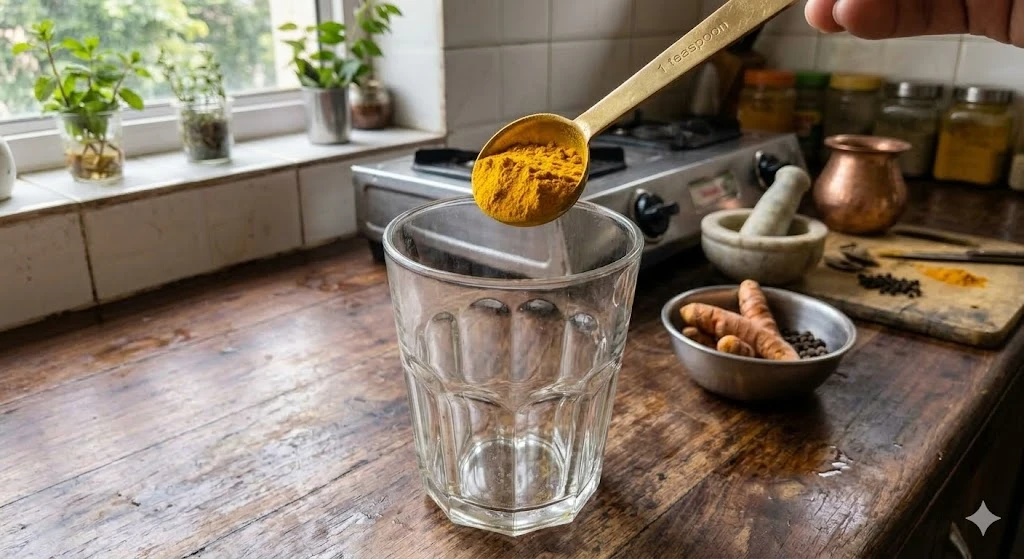
Ingredients (1 serving):
- 1 cup whole milk (or any milk — see dairy-free options below)
- 1 teaspoon turmeric powder (or 1-inch piece of fresh turmeric root, grated)
- A generous pinch of freshly ground black pepper (about ⅛ teaspoon — do NOT skip this)
- ½ teaspoon coconut oil or ghee
- 1 teaspoon raw honey or maple syrup (optional, for sweetness)
- Small pinch of cinnamon (optional, for flavor)
Also read: How to Use Methi (Fenugreek) Seeds for Blood Sugar Control at Home
Instructions:
Pour 1 cup of milk into a small saucepan over medium-low heat. Add the turmeric powder, black pepper, and coconut oil or ghee. Whisk gently as the milk warms — you want the turmeric to dissolve completely without any lumps. Heat until the milk is steaming and just starting to simmer (about 3–4 minutes). Do not bring to a full boil, as this can scorch the milk and give it a bitter taste. Remove from heat and pour into your favorite mug. Let it cool for 1–2 minutes until it’s comfortable to drink, then stir in honey if desired.
Important: Add honey AFTER removing from heat. Heating honey above 140°F (60°C) destroys its beneficial enzymes. If you prefer not to use honey, maple syrup or a small amount of jaggery are good alternatives.
Recipe 2: Extra-Strength Haldi Doodh for Severe Joint Pain
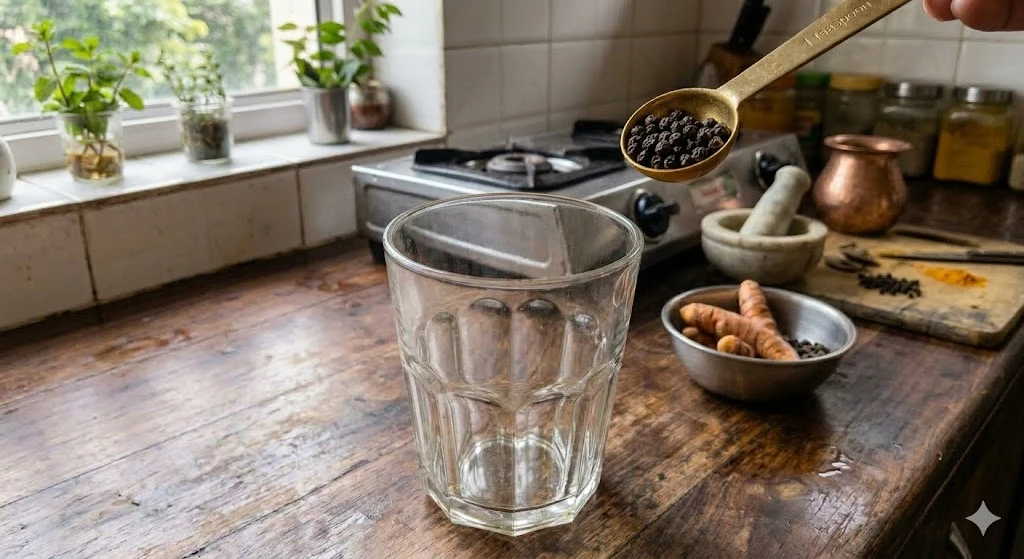
When joint pain is particularly bad — such as during an arthritis flare-up, after intense exercise, or on cold, damp days — this stronger version provides more anti-inflammatory power.
Ingredients (1 serving):
- 1 cup whole milk
- 1½ teaspoons turmeric powder (50% more than classic recipe)
- ¼ teaspoon freshly ground black pepper (double the usual amount)
- 1 teaspoon coconut oil or ghee
- ½-inch piece of fresh ginger, grated (adds additional anti-inflammatory action)
- 1 teaspoon honey
Instructions:
Follow the same method as Recipe 1, but add the grated ginger along with the turmeric and pepper. The ginger contains gingerols, which are themselves potent anti-inflammatory compounds that work synergistically with curcumin. Let the mixture simmer for 5 minutes (slightly longer than the classic version) to fully extract the ginger compounds. Strain through a fine mesh strainer to remove the ginger fibers before drinking.
Best for: Arthritis flare-ups, post-workout muscle and joint soreness, cold weather joint stiffness, chronic knee or hip pain. Drink this version once daily during pain episodes.
Recipe 3: Dairy-Free Golden Milk (Vegan/Lactose-Intolerant)
Many Americans are lactose intolerant or prefer plant-based options. This version works just as well because the key absorption factors — fat, pepper, and heat — are all preserved.
Ingredients (1 serving):
- 1 cup full-fat coconut milk (canned is better than carton — more fat for absorption)
- 1 teaspoon turmeric powder
- Generous pinch of black pepper
- 1 teaspoon coconut oil (extra fat boost since coconut milk replaces dairy fat)
- 1 teaspoon maple syrup or agave
- Pinch of cinnamon and/or cardamom for flavor
Instructions:
Use the same simmering method as Recipe 1. Full-fat coconut milk is the best dairy alternative for haldi doodh because its high saturated fat content is excellent for curcumin absorption. Almond milk can work in a pinch, but add a full teaspoon of coconut oil to compensate for its lower fat content. Oat milk is the least ideal option due to its low fat content, but adding ghee or coconut oil can bridge the gap.
US tip: You can find full-fat canned coconut milk at Walmart, Target, Trader Joe’s, or any Asian grocery store. Look for brands with no added sugar. Thai Kitchen and Native Forest are popular options.
Read more: Jeera Water for Weight Loss: Recipe, Benefits, Timing & Results
Recipe 4: Bedtime Haldi Doodh for Joint Pain and Better Sleep
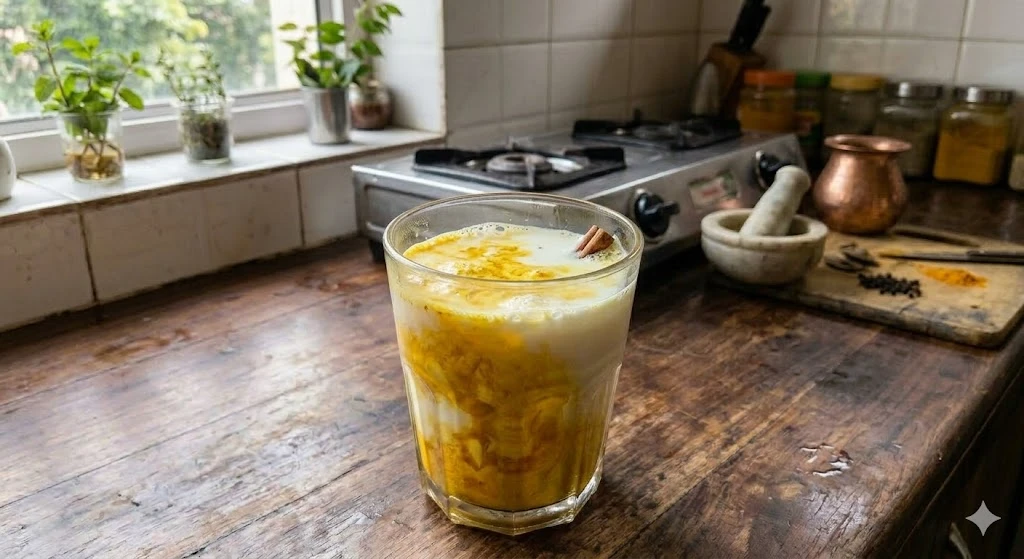
Joint pain often disrupts sleep, and poor sleep increases inflammation, which worsens joint pain — a frustrating cycle. This bedtime version addresses both problems.
Ingredients (1 serving):
- 1 cup warm milk (whole or plant-based)
- 1 teaspoon turmeric powder
- Pinch of black pepper
- ½ teaspoon coconut oil or ghee
- ¼ teaspoon nutmeg (natural sleep promoter)
- Pinch of cardamom
- 1 teaspoon honey
Instructions:
Follow the classic method but add nutmeg and cardamom along with the turmeric. Nutmeg contains myristicin, a compound that has mild sedative properties and has been used in traditional medicine as a sleep aid for centuries. The combination of warm milk (which contains tryptophan), turmeric (anti-inflammatory), and nutmeg (sedative) creates a triple-action bedtime drink.
Timing: Drink 30–45 minutes before bed. This gives the compounds time to begin working before you fall asleep and provides pain relief through the night.
Caution: Use only a small pinch of nutmeg. Large amounts (more than 1 teaspoon) can cause nausea and dizziness. The ¼ teaspoon in this recipe is well within safe limits.
When to Drink Haldi Doodh for Maximum Joint Pain Relief
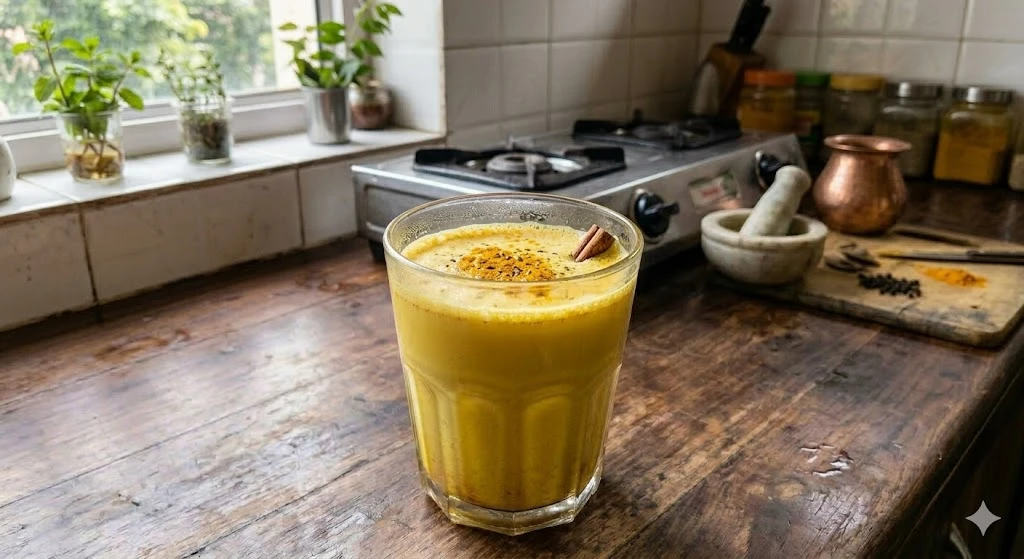
For morning stiffness: Drink a cup right after waking up, before or during breakfast. Many arthritis sufferers experience the worst stiffness in the morning, and a warm haldi doodh can help ease you into the day.
For activity-related pain: Drink 30–60 minutes before physical activity you know triggers joint pain (gardening, walking, exercise). The anti-inflammatory effects begin within 30–45 minutes.
For nighttime joint pain: Use Recipe 4 (bedtime version) 30–45 minutes before sleep. This is particularly effective for people whose joint pain wakes them up at night.
For chronic daily pain: Drink 1 cup in the morning and 1 cup at night consistently for at least 4–8 weeks. The anti-inflammatory effects of curcumin are cumulative — they build over time with regular use.
Read more: 22 Home Remedies for Blocked Nose | Sore Throat | Stuffy Nose
Read more: Home Remedies for Loose Motion: 12 Natural Treatments That Work Fast
How Long Does It Take to Work?
Immediate (within 30 minutes): The warm milk itself provides soothing comfort, and ginger (if included) can provide quick mild pain relief through its analgesic properties.
1–2 weeks of daily use: You may notice reduced morning stiffness and slightly easier movement. This is the curcumin beginning to reduce baseline inflammation levels.
4–8 weeks of daily use: This is where the clinical studies show the most significant benefits. Consistent daily curcumin intake for at least 4 weeks is associated with meaningful reductions in joint pain scores, improved physical function, and reduced need for pain medication.
3+ months: Long-term users report the greatest benefits. Curcumin’s cartilage-protective effects (inhibiting MMPs) are most relevant over extended periods of use.
The key word is consistency. Drinking haldi doodh once when your knee hurts won’t produce dramatic results. Making it a daily habit is what allows the cumulative anti-inflammatory effects to build up and make a real difference.
‘My mother started drinking haldi doodh nightly in November. By January, she told me her knee pain in the morning had gone from a 7/10 to about a 3/10. She still takes it every night.’
Haldi Doodh vs Common Joint Pain Treatments
| Treatment | Effectiveness | Side Effects | Cost (Monthly) | Best For |
| Haldi doodh (daily) | Moderate–high (4–8 weeks) | Minimal (rare heartburn) | $3–$5 (kitchen spices) | Mild–moderate chronic pain, prevention |
| Ibuprofen (Advil) | High (30–60 min) | GI issues, kidney risk long-term | $5–$15 | Acute pain, short-term use |
| Curcumin supplements | High (standardized dose) | Minimal | $15–$40 | Moderate–severe, consistent dosing |
| Glucosamine/chondroitin | Moderate (mixed evidence) | Minimal (shellfish allergy risk) | $15–$30 | Osteoarthritis specifically |
| Physical therapy | High | None | $30–$75/session (with insurance) | Structural issues, post-surgery |
| Prescription NSAIDs | High | GI bleeding, cardiovascular risk | $10–$50 (with insurance) | Moderate–severe inflammatory pain |
Haldi doodh works best as a daily maintenance remedy for mild to moderate joint pain, and as a complement to other treatments for more severe conditions. It’s not a replacement for prescription medications if you have advanced arthritis or severe pain — but for many people, it can reduce the frequency and dosage of pain medications they need.
‘If you’re managing joint pain along with blood sugar concerns, also read our guide on Methi Seeds for Blood Sugar Control — fenugreek also has anti-inflammatory benefits.’
Side Effects and Who Should Be Careful
Stomach irritation: Turmeric can increase stomach acid production. If you have acid reflux, GERD, or a sensitive stomach, start with ½ teaspoon of turmeric and work your way up. Drinking it with food (not on a completely empty stomach) also helps.
Blood thinning: Curcumin has mild anticoagulant properties. If you take blood thinners (warfarin, aspirin, clopidogrel), consult your doctor before drinking haldi doodh daily. You’ll likely need to stop turmeric supplements before any scheduled surgery.
Gallbladder issues: Turmeric stimulates bile production. If you have gallstones or a bile duct obstruction, avoid large amounts of turmeric.
Iron absorption: High doses of turmeric can reduce iron absorption. If you’re anemic or taking iron supplements, drink your haldi doodh at a different time of day than your iron supplement (at least 2 hours apart).
Staining: A practical warning: turmeric stains everything. Use a dedicated mug and spoon, and be careful around white countertops and clothing. If you do get a stain, direct sunlight is surprisingly effective at fading turmeric stains on fabric.
Frequently Asked Questions
Can I use turmeric paste instead of powder?
Yes. Turmeric paste (sometimes called “golden paste”) is made by cooking turmeric powder with water and coconut oil into a thick paste. You can make a batch and store it in the refrigerator for up to 2 weeks. Use about 1 teaspoon of paste per cup of milk. This is actually a convenient shortcut for daily use.
Is fresh turmeric root better than powder?
Fresh turmeric root contains slightly more volatile oils but less concentrated curcumin per gram compared to dried powder. Both work well. If using fresh, grate about 1 inch of root per cup of milk. The advantage of powder is consistency — you know exactly how much curcumin you’re getting each time.
How is haldi doodh different from curcumin supplements?
Curcumin supplements are standardized to contain 95% curcuminoids, much more concentrated than turmeric powder (which is only 3–5% curcumin). Supplements deliver a higher, more consistent dose. Haldi doodh delivers a lower dose but includes the full spectrum of turmeric compounds beyond just curcumin, plus the absorption-enhancing benefits of fat and piperine. Many Ayurvedic practitioners believe the whole-spice approach offers benefits that isolated curcumin doesn’t.
Can I give haldi doodh to children for growing pains?
Yes, in moderate amounts. For children ages 5–12, use ½ teaspoon of turmeric per cup of milk. Many Indian families give children haldi doodh regularly, especially during growth spurts when bone and joint discomfort is common. Make it more appealing by adding extra honey and a pinch of cinnamon. Avoid giving it to children under 2.
Will turmeric milk stain my teeth?
It can slightly stain teeth with daily use over time. Rinsing your mouth with water after drinking or brushing your teeth 30 minutes later prevents this. Drinking through a straw also helps if you’re concerned.
Can I make a big batch and refrigerate it?
You can make up to 3 days’ worth and store it in a glass jar in the refrigerator. Reheat gently on the stovetop (not microwave, which heats unevenly). Add honey fresh each time, not during storage. Shake or stir well before reheating, as the turmeric tends to settle at the bottom.
The Bottom Line
Haldi doodh is one of those rare remedies that is both ancient and scientifically validated. With curcumin shown to be comparable to ibuprofen for knee osteoarthritis pain, a nightly glass of turmeric milk is one of the simplest and safest things you can do for your joints.
The key to making it work: use black pepper (non-negotiable for absorption), include some form of fat (whole milk, coconut oil, or ghee), and be consistent. Daily use for at least 4–8 weeks is when the real benefits begin to show.
Whether you call it haldi doodh, golden milk, or turmeric latte — this is one tradition worth keeping alive.
‘Every night, making haldi doodh is a small ritual that connects me to my grandmother’s kitchen.
Medical Disclaimer: This article is for informational purposes only and does not constitute medical advice. Turmeric milk is a traditional home remedy and should not replace professional medical treatment for arthritis or chronic joint conditions. Consult your healthcare provider before starting any new supplement regimen, especially if you take medication or have underlying health conditions.