Fenugreek seeds — known as methi in Indian households — have been used as both a spice and a natural medicine for thousands of years. But it’s only in the last two decades that modern science has started to confirm what traditional Ayurvedic practitioners have long believed: methi seeds can genuinely help lower blood sugar levels.
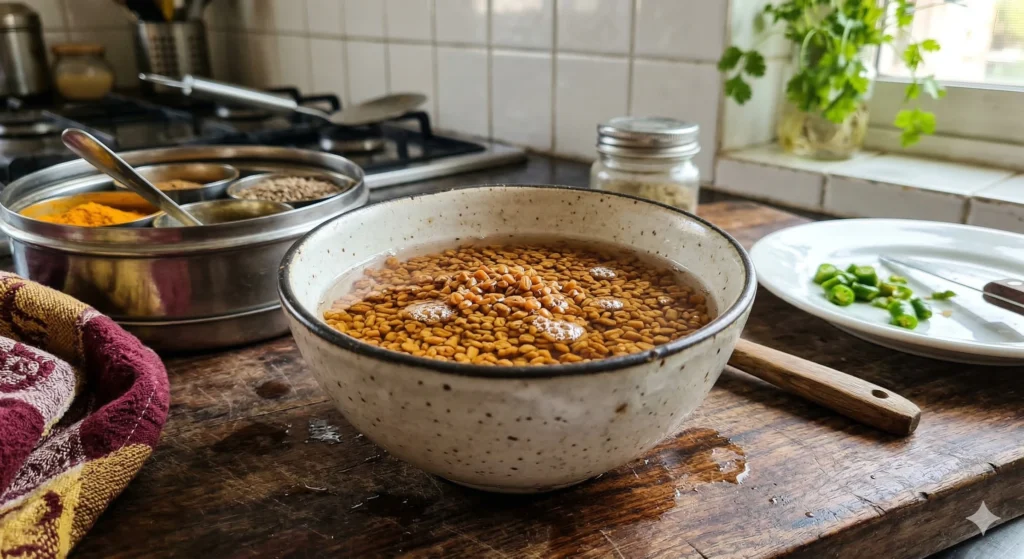
If you or someone in your family is managing type 2 diabetes or pre-diabetes, fenugreek is one of the most well-researched natural remedies available. In this guide, you’ll learn exactly how to use methi seeds for blood sugar control, what dosage works, when to take them, and what the clinical research actually shows.
‘I first heard about methi for blood sugar from my grandparents, who used to take it everyday‘
What Makes Methi Seeds Effective for Blood Sugar?
Fenugreek seeds aren’t just folk medicine — they contain specific compounds that have measurable effects on blood glucose. Here’s what science has identified:
High Soluble Fiber Content
Methi seeds contain about 45–50% fiber by weight, much of which is soluble fiber (galactomannan). This fiber forms a thick gel in the stomach and intestines that slows down the digestion and absorption of carbohydrates. When carbs are absorbed more slowly, your blood sugar rises more gradually after meals instead of spiking sharply.
4-Hydroxyisoleucine (4-HI)
This is the star compound. 4-hydroxyisoleucine is a unique amino acid found almost exclusively in fenugreek seeds. Research published in the European Journal of Pharmacology shows that 4-HI directly stimulates insulin secretion from the pancreas in a glucose-dependent manner. In simple terms, it helps your body produce more insulin when blood sugar is high, without causing dangerous drops when blood sugar is normal.
Alkaloid Trigonelline
Trigonelline is another compound in methi seeds that has shown anti-diabetic properties in multiple studies. It appears to help regenerate pancreatic beta cells — the cells responsible for producing insulin — and may improve insulin sensitivity over time.
Antioxidant Activity
Fenugreek seeds are rich in polyphenols and flavonoids that reduce oxidative stress. This is important because oxidative stress damages the cells that produce insulin and worsens insulin resistance. By reducing this damage, methi helps your body manage blood sugar more effectively.
What Does the Research Say? (Key Studies)
Unlike many home remedies, fenugreek has been studied extensively in clinical trials. Here are the most important findings:
| Study | Participants | Dosage Used | Key Result |
| Gupta et al. (2001), Indian J Physiol Pharmacol | 25 type 2 diabetics | 1g fenugreek seed extract daily | Fasting blood sugar reduced significantly in 2 months |
| Kassaian et al. (2009), Int J Vitam Nutr Res | 24 type 2 diabetics | 10g fenugreek powder daily | Fasting blood glucose dropped and insulin sensitivity improved |
| Neelakantan et al. (2014), Meta-analysis, Nutrition Journal | Meta-analysis of 10 trials | Various (5–50g) | Medium-to-high doses significantly reduced fasting blood glucose and HbA1c |
| Losso et al. (2009), Eur J Clin Pharmacol | 18 overweight subjects | Fenugreek fiber extract | Reduced post-meal blood sugar spikes by 13.4% |
The most comprehensive evidence comes from the 2014 meta-analysis by Neelakantan et al., which pooled data from 10 clinical trials and concluded that fenugreek significantly reduces both fasting blood sugar and HbA1c levels (a measure of long-term blood sugar control).
Read more: Home Remedies for Loose Motion: 12 Natural Treatments That Work Fast
How to Use Methi Seeds for Blood Sugar (4 Methods)
Method 1: Overnight Soaked Methi Seeds (Most Popular)
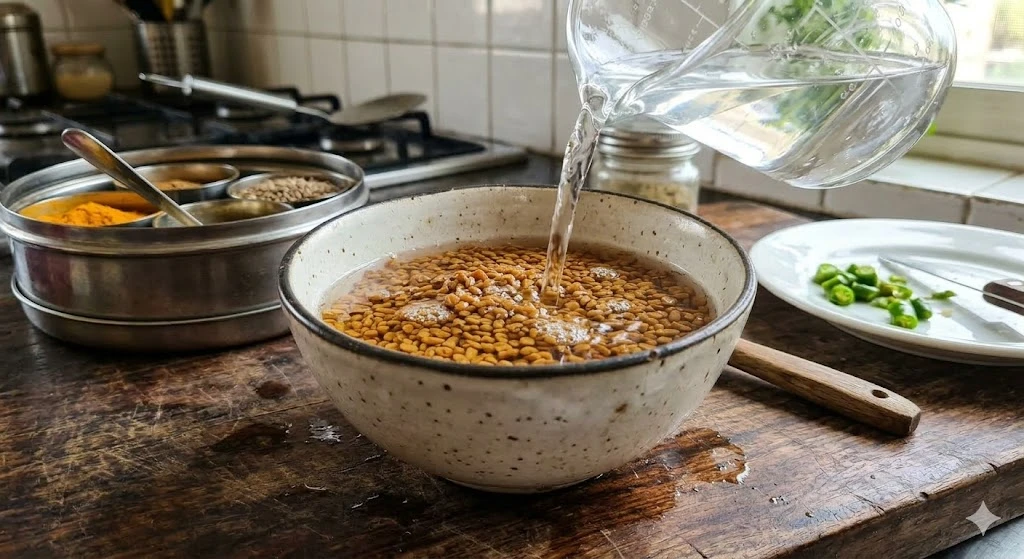
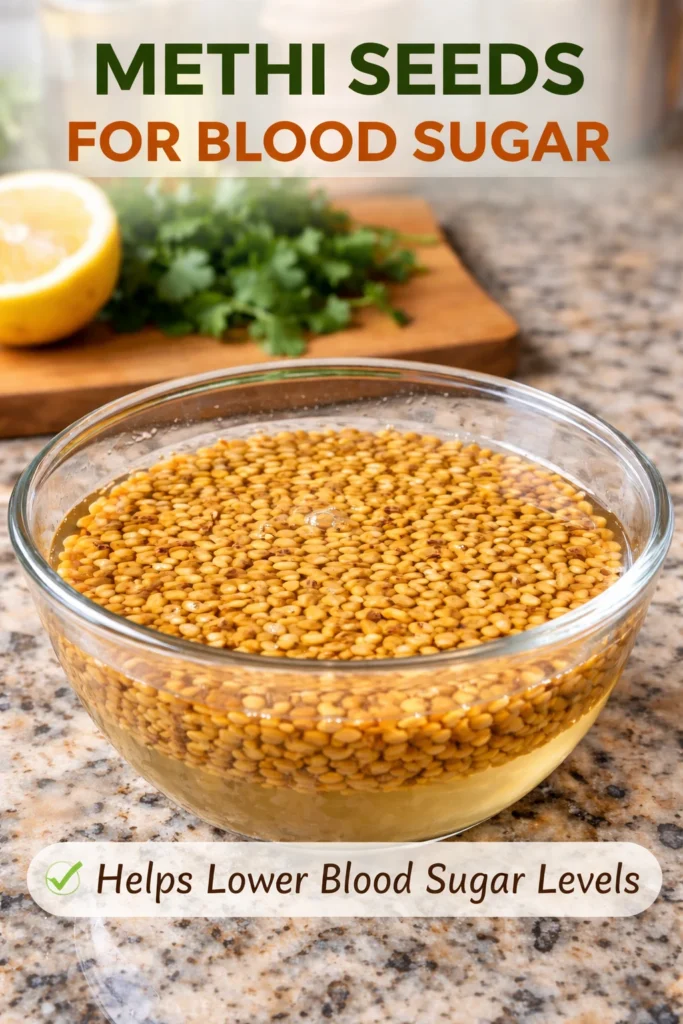
Take 1–2 tablespoons of raw fenugreek seeds. Soak them in a glass of water overnight (8–12 hours). In the morning, drink the water AND eat the softened seeds on an empty stomach. The seeds will be soft and slightly mucilaginous — this gel-like texture is the soluble fiber that slows sugar absorption.
This is the most widely recommended method because both the infused water and the seeds themselves contribute to blood sugar control.
Method 2: Methi Seed Powder in Warm Water
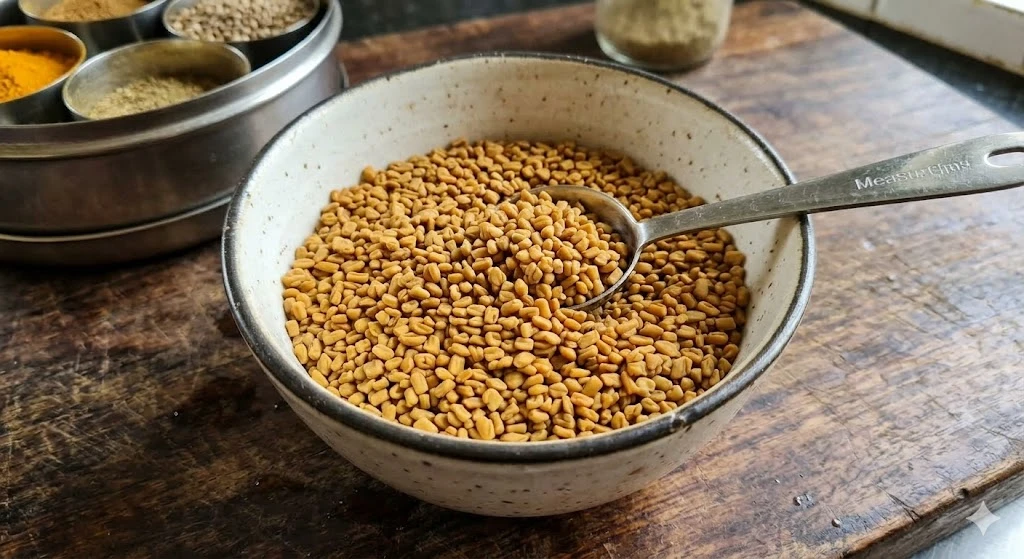
If you find it difficult to chew whole seeds, grind fenugreek seeds into a fine powder (use a spice grinder or buy pre-ground). Mix 1 teaspoon of methi powder into a glass of warm water. Stir well and drink on an empty stomach. You can also mix the powder into buttermilk or yogurt if the taste is too bitter on its own.
Method 3: Sprouted Methi Seeds
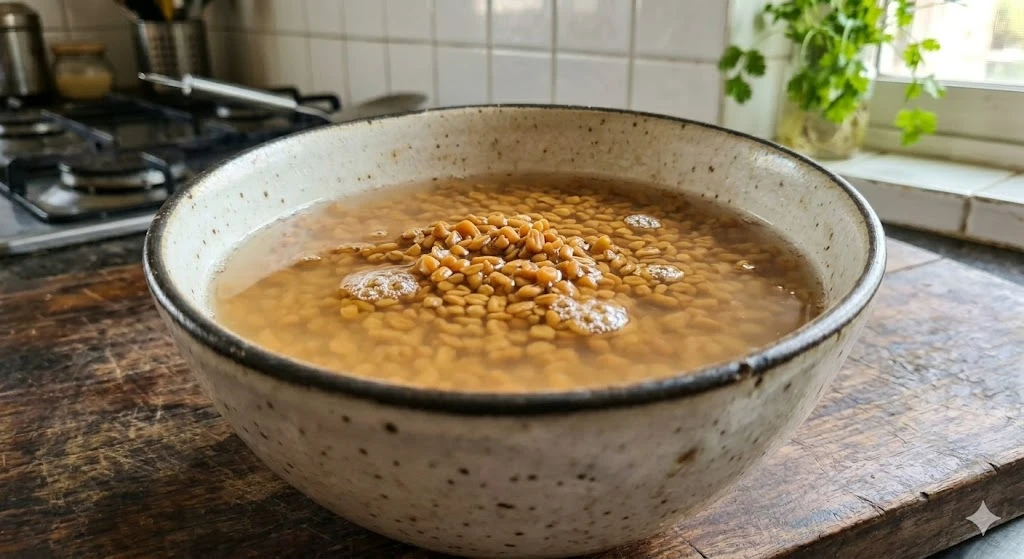
Sprouted fenugreek is easier to digest and some research suggests the sprouting process increases the bioavailability of certain nutrients. To sprout: soak seeds for 8 hours, drain, wrap in a damp cloth, and leave in a warm place for 24–48 hours. Rinse twice daily. Eat 1–2 tablespoons of sprouts daily with meals.
Method 4: Methi Seeds with Yogurt
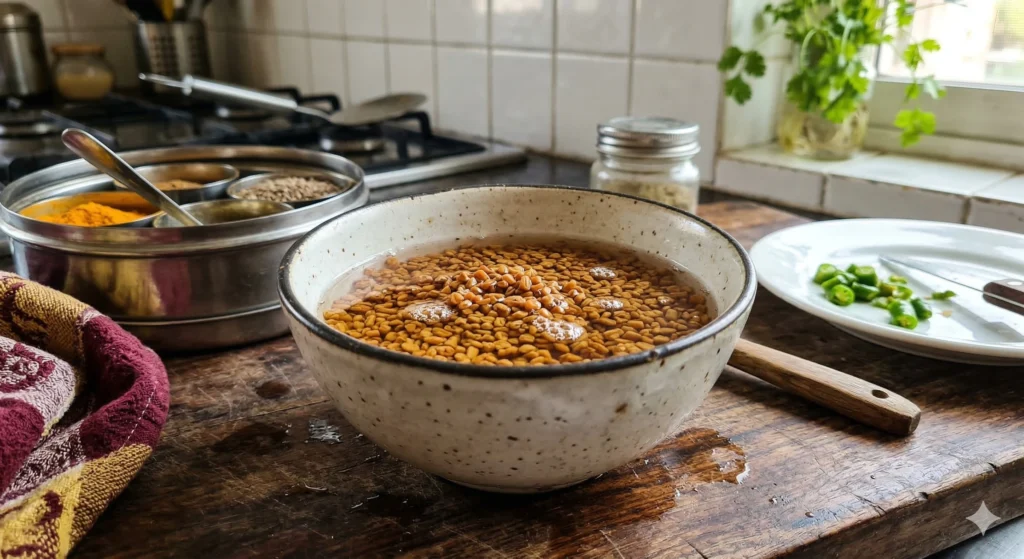
Mix 1 teaspoon of methi powder or 1 tablespoon of soaked seeds into a small bowl of plain, unsweetened yogurt. Eat this 30 minutes before your main meal. The combination of fenugreek fiber and yogurt probiotics can be particularly effective for post-meal blood sugar management.
‘My father uses Method 1 every morning and has for 3 years. The doctor noticed his fasting sugar dropped from 180 to 130 within 4 months.‘
Dosage Guide: How Much Methi Should You Take?
| Form | Recommended Dose | When to Take | Notes |
| Whole seeds (soaked) | 1–2 tablespoons/day | Morning, empty stomach | Eat the seeds + drink the water |
| Ground powder | 1–2 teaspoons/day | Before meals | Mix in water, yogurt, or buttermilk |
| Sprouted seeds | 1–2 tablespoons/day | With meals | Easier to digest |
| Capsules/extract | 500mg–1000mg/day | As directed on label | Standardized extracts preferred |
Important: Start with a smaller dose (1 teaspoon powder or 1 tablespoon seeds) for the first week to see how your body responds. Increase gradually. Taking too much too quickly can cause digestive discomfort or gas.
Read more: 15 Home Remedies for Acidity and Heartburn | Acid Reflux | Gas
Best Time to Take Methi Seeds for Blood Sugar
Morning on an empty stomach: This is the most effective time based on clinical studies. Taking soaked methi seeds first thing in the morning helps set a lower baseline for blood sugar throughout the day.
30 minutes before meals: If you struggle with post-meal sugar spikes, taking methi powder or seeds before lunch and dinner can help blunt those spikes. The soluble fiber slows carbohydrate absorption from the meal that follows.
Avoid taking right before bed: Fenugreek can lower blood sugar, and combined with any diabetes medication you may be taking, this could potentially cause hypoglycemia (dangerously low blood sugar) overnight. Morning and pre-meal timing is safer.
Side Effects and Precautions
Fenugreek is classified as GRAS (Generally Recognized as Safe) by the FDA when consumed in food amounts. However, medicinal doses do come with some considerations:
Digestive issues: The most common side effect is gas, bloating, or diarrhea when starting out. This usually resolves within a week as your body adjusts. Starting with a low dose and increasing gradually helps prevent this.
Maple syrup smell: A harmless but surprising side effect — fenugreek contains a compound called sotolone that can make your sweat and urine smell like maple syrup. This is completely harmless but worth knowing about.
Drug interactions: If you take diabetes medications (metformin, insulin, sulfonylureas, etc.), adding fenugreek can further lower your blood sugar. This can be dangerous if not monitored. Always tell your doctor before starting fenugreek if you’re on any diabetes medication.
Blood thinners: Fenugreek may have mild anticoagulant properties. Avoid combining with warfarin or other blood-thinning medications without medical supervision.
Pregnancy: Fenugreek in medicinal amounts is NOT recommended during pregnancy. It has been traditionally used to induce labor and could cause uterine contractions.
Allergies: People allergic to peanuts or chickpeas may also react to fenugreek, as they belong to the same plant family (Fabaceae).
How Long Does It Take to See Results?
Week 1–2: You may notice improved digestion and slightly less intense sugar cravings. Blood sugar changes are usually not yet measurable at this stage.
Week 3–4: If you’re monitoring with a home glucose meter, you may start seeing lower fasting blood sugar readings in the morning.
Month 2–3: This is where the clinical studies show the most significant results. Fasting blood sugar reductions of 15–25% have been reported in some trials over 8–12 weeks.
Month 3+: HbA1c (your 3-month blood sugar average) improvements typically become visible in lab tests after 3 months of consistent use.
Consistency is key. Taking methi seeds occasionally won’t produce meaningful results. The studies that showed benefits all involved daily consumption over at least 8 weeks.
‘My dad’s fasting blood sugar went from an average of 175 to around 135 after about 11 weeks of daily soaked methi seeds.’
Methi Seeds vs Other Natural Blood Sugar Remedies
| Remedy | Evidence Strength | Typical Effect | Taste | Best For |
| Methi seeds | Strong (10+ trials) | 15–25% FBS reduction | Bitter | Fasting blood sugar + A1C |
| Cinnamon | Moderate (mixed results) | 5–10% FBS reduction | Pleasant | Mild blood sugar support |
| Karela (bitter gourd) | Moderate | 10–20% FBS reduction | Very bitter | Post-meal spikes |
| Apple cider vinegar | Limited | 4–6% FBS reduction | Sour | Insulin sensitivity |
| Berberine | Strong | Comparable to metformin | Bitter (capsule) | Comprehensive control |
Among natural remedies, fenugreek and berberine have the strongest clinical evidence. Methi seeds are particularly appealing because they’re inexpensive, widely available, and can be incorporated into daily cooking.
Read more: Jeera Water for Weight Loss: Recipe, Benefits, Timing & Results (2026)
Frequently Asked Questions
Can methi seeds cure diabetes?
No. Fenugreek seeds are a complementary therapy, not a cure. They can help manage blood sugar levels alongside medication, diet, and exercise. Never stop prescribed diabetes medication without consulting your doctor.
Can non-diabetics take methi seeds?
Yes. Fenugreek seeds are safe for most healthy adults and offer digestive benefits, anti-inflammatory effects, and may help prevent the development of insulin resistance. They are widely consumed as a regular spice in many cultures.
Do fenugreek capsules work as well as whole seeds?
Standardized fenugreek extracts in capsule form can be effective, and some studies have used capsule forms. However, whole soaked seeds provide additional fiber benefits that capsules may lack. If you can tolerate the taste, whole seeds are the better option.
Can I cook with methi seeds instead of eating them raw?
Cooking with fenugreek as a spice is healthy but provides a smaller dose than the medicinal amounts used in studies. For blood sugar benefits, you’ll want to consume 1–2 tablespoons of seeds daily, which is more than typical cooking amounts. Using them as a spice is a great bonus on top of your daily soaked seeds.
How do I reduce the bitter taste of methi seeds?
The bitterness is the most common complaint. Here are some ways to make it easier: soak overnight (reduces bitterness significantly), mix the powder into yogurt or buttermilk, add a small amount of honey to the soaked water, or try sprouted seeds which are milder in taste.
Is it safe to take methi seeds with metformin?
It can be, but you MUST consult your doctor first. Both fenugreek and metformin lower blood sugar, and the combined effect could cause hypoglycemia (low blood sugar). Your doctor may need to adjust your metformin dose if you start taking fenugreek regularly.
The Bottom Line
Fenugreek (methi) seeds are one of the most evidence-backed natural remedies for blood sugar management. With over a dozen clinical trials supporting their effectiveness, they’re far more than just a folk remedy. The science shows meaningful reductions in fasting blood sugar and HbA1c when consumed consistently.
The simplest way to start is the overnight soak method: 1 tablespoon of methi seeds in a glass of water before bed, then drink the water and eat the seeds first thing in the morning. Give it at least 8 weeks before judging results, and always monitor your blood sugar if you’re diabetic.
Medical Disclaimer: This article is for informational purposes only and does not constitute medical advice. Always consult your healthcare provider before starting any new supplement or natural remedy, especially if you have diabetes or take medication. Never stop prescribed medication without medical supervision.