Does cooling and reheating rice really reduce blood sugar spikes? We explain the viral TikTok resistant starch hack, what science says, and how to do it correctly.
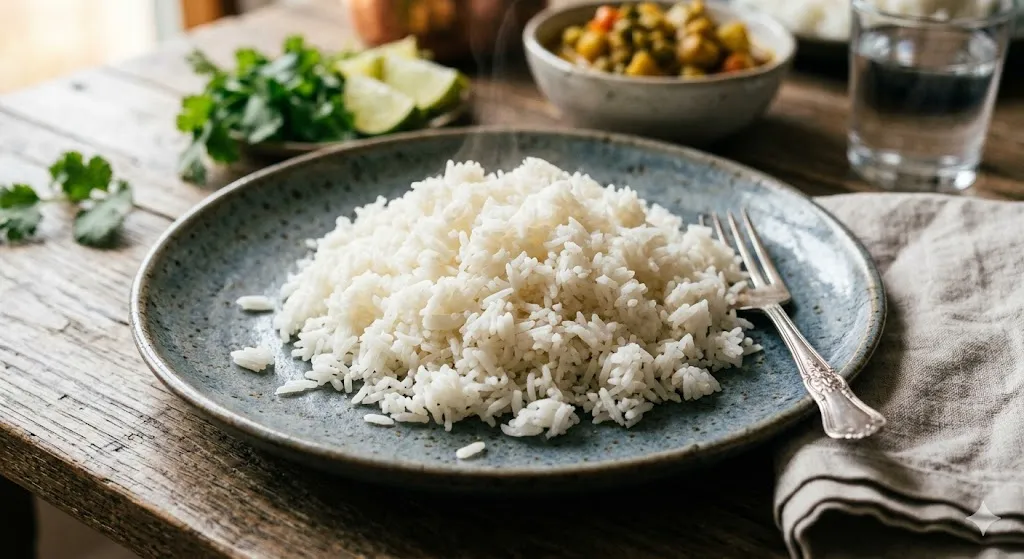
The hack is simple: cook your rice, cool it in the fridge for at least 12 hours, then reheat it before eating. TikTok influencers claim this turns regular rice into a “resistant starch” that your body treats more like fiber than sugar. But is this real science or just another viral myth? Let’s break it down.
What is Resistant Starch and How Does it Form?
When you cook rice, the starch granules absorb water and swell up — this is called gelatinization. This makes the starch easy for your body to digest and convert into glucose quickly, which causes blood sugar spikes.
But when you cool cooked rice, something interesting happens. The starch molecules rearrange themselves into tighter, more crystalline structures through a process called retrogradation. This restructured starch is called resistant starch because it literally resists digestion in your small intestine.
Instead of being broken down into sugar, resistant starch passes through to your large intestine where it acts more like fiber. There, your gut bacteria ferment it and produce short-chain fatty acids (SCFAs) like butyrate, which have been shown to improve gut health, reduce inflammation, and improve insulin sensitivity.
The key finding: Reheating the cooled rice does NOT destroy all the resistant starch. Studies show that cooled-and-reheated rice retains a significant portion of its resistant starch content, meaning you get the benefit even when eating warm rice.
What Does the Research Actually Say?
Study 1 — Sri Lankan research (2015): Researchers found that cooking rice with coconut oil and then cooling it for 12 hours increased resistant starch content by up to 10 times compared to freshly cooked rice. Even after reheating, the resistant starch levels remained significantly elevated.
Study 2 — Asia Pacific Journal of Clinical Nutrition: Cooling cooked rice at 4°C (refrigerator temperature) for 24 hours significantly reduced the glycemic response when the rice was consumed compared to freshly cooked rice.
Study 3 — European Journal of Clinical Nutrition: A meta-analysis found that resistant starch consumption improved insulin sensitivity and reduced post-meal blood glucose in both healthy individuals and those with metabolic syndrome.
So yes — the science is real. But the effect is modest, not miraculous. You might see a 10–20% reduction in blood sugar spike, not a 50% reduction. It helps, but it doesn’t turn white rice into a superfood.
How to Do the Cooling Carbs Hack Correctly
For Rice:
- Cook rice as you normally would.
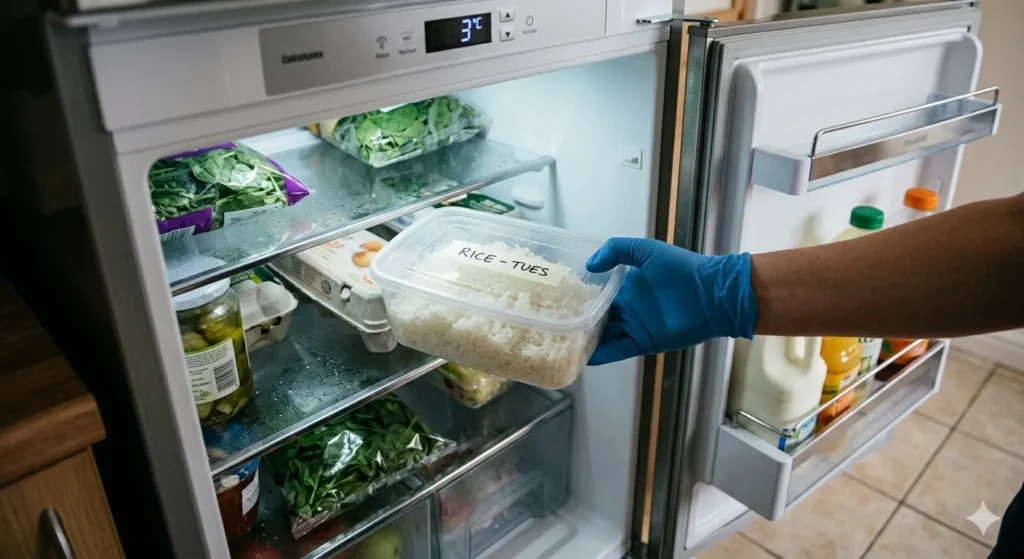
- Let it cool to room temperature, then transfer to a container and refrigerate for at least 12 hours (overnight is perfect).
- Reheat the rice the next day before eating. You can reheat in the microwave, on the stovetop, or stir-fry it.
- The reheated rice will have more resistant starch than freshly cooked rice.
- Adding 1 teaspoon of coconut oil while cooking further increases resistant starch formation.
For Potatoes:
- Boil or bake potatoes, then cool them in the fridge overnight.
- Eat them cold in a potato salad, or reheat before eating.
- Cooled potatoes have significantly more resistant starch than hot, freshly cooked ones.
For Pasta:
- Cook pasta al dente (slightly firm).
- Cool in the fridge for 12–24 hours.
- Reheat and eat. Pasta salad also works well here.
Pro tip: This hack works best with white rice, jasmine rice, and basmati rice. Brown rice already has more fiber so the additional benefit is smaller. For Indian households, making rice the night before and reheating for lunch the next day is actually how many families already eat — your grandmother was doing this hack before TikTok existed.
“In my house, leftover rice from dinner always becomes fried rice or curd rice next day. Turns out we were accidentally making our rice healthier without knowing it! Yay’
Does This Mean Diabetics Can Eat Unlimited Rice?
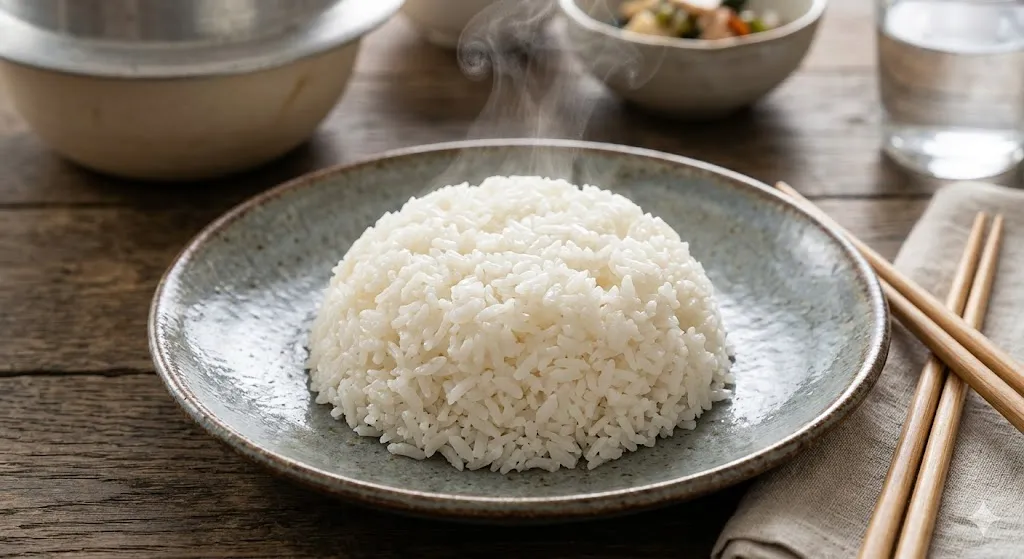
No. This is the most dangerous misconception from the viral trend. Cooling and reheating rice reduces the glycemic impact by roughly 10–20%. It does NOT make rice a low-glycemic food. If you’re diabetic, you still need to watch your portion sizes and total carbohydrate intake.
Think of it as making a bad food slightly less bad — not turning it into a health food. A 10–20% reduction in blood sugar spike is meaningful over time, but it’s not permission to eat a mountain of biryani.
Other Ways to Reduce Blood Sugar Spikes from Rice
- Eat rice WITH protein (dal, chicken, paneer) and vegetables — this slows digestion.
- Add a tablespoon of ghee or coconut oil to rice while cooking.
- Eat a small salad or drink jeera water before your rice meal.
- Replace half your rice with cauliflower rice for fewer total carbs.
- Choose basmati rice over short-grain rice — basmati has a lower GI.
- Take a 10–15 minute walk after eating rice — this alone can reduce post-meal sugar spikes by 20–30%.
Also Read : How to Remove Microplastics from Your Body Naturally | 12 Home Remedies & Foods
Also Read : How to Use Methi (Fenugreek) Seeds for Blood Sugar Control at Home
Frequently Asked Questions
Does this work with brown rice too?
Yes, but the effect is smaller because brown rice already has more fiber and a lower glycemic index than white rice. The biggest benefit is seen with white rice, which has the highest GI to start with.
Can I cool rice for just 2–3 hours instead of 12?
Some resistant starch forms within a few hours, but 12–24 hours of cooling produces the maximum amount. If you’re short on time, even 4–6 hours of cooling helps somewhat.
Is cooled rice safe to eat? What about food poisoning?
Rice can grow Bacillus cereus bacteria if left at room temperature too long. The safe method is to cool rice quickly (within 1 hour of cooking), then refrigerate immediately. Eat reheated rice within 24 hours and reheat thoroughly until steaming hot. Do not leave cooked rice at room temperature for more than 1 hour.
How much resistant starch does cooled rice have?
Freshly cooked rice contains less than 1% resistant starch. After cooling for 12–24 hours, this can increase to 2–3% of total starch content. When cooked with coconut oil and cooled, some studies found up to 10% resistant starch. The exact amount depends on the type of rice and cooling duration.